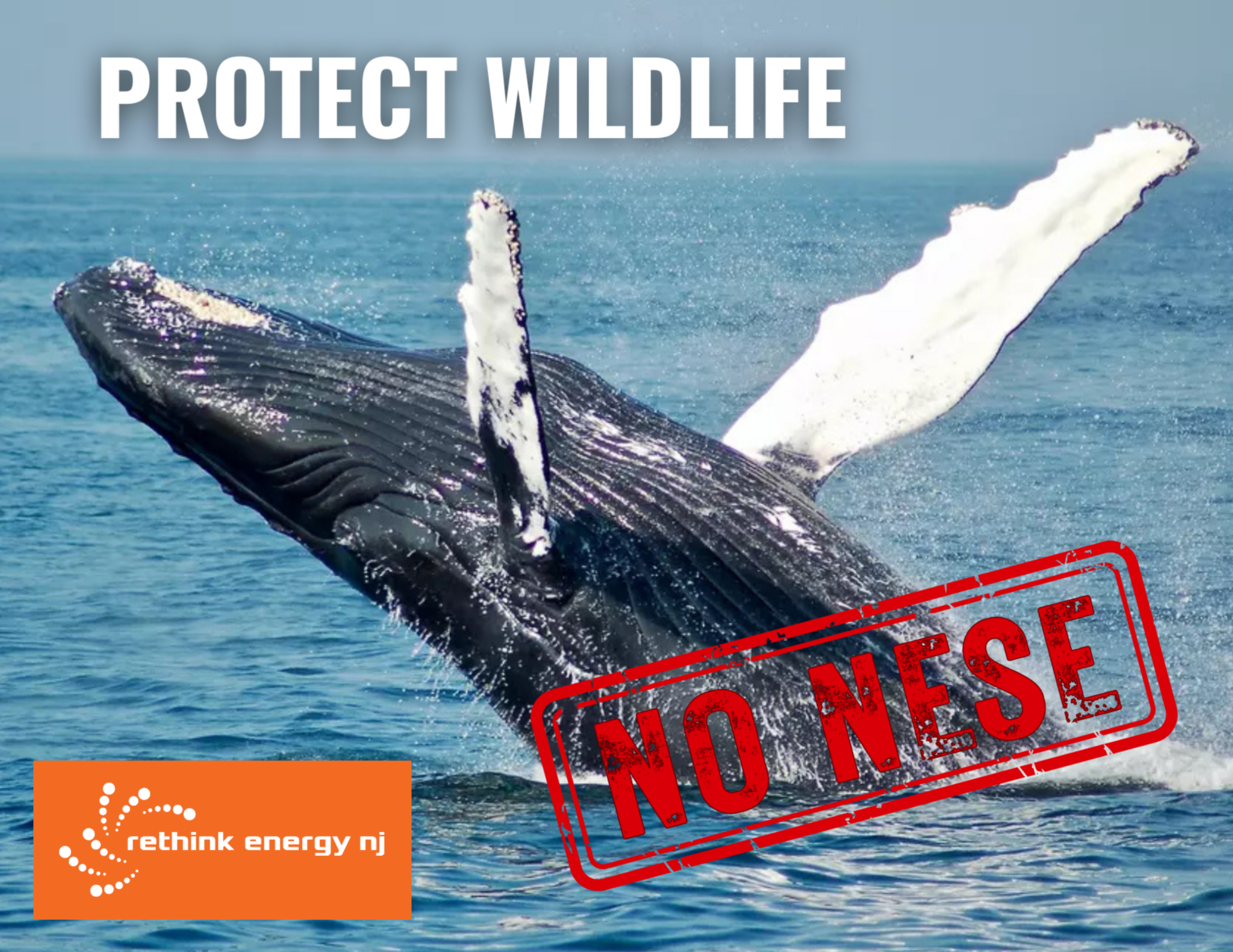
What can you do:
Send a letter to Governor Sherrill by entering your address below and following the prompts. Make sure to spread the word and encourage your friends and family in NJ to take action today!
Attend the Tidelands Resource Council Meeting on May 6th!
At 10 AM, click this Microsoft Teams virtual meeting link OR join by phone using telephone number and ID: 1-856-338-7074 / Conference ID: 101 663 45#
LAST CHANCE TO STOP NESE!
NESE IS NOT IN THE PUBLIC INTEREST!
The proposed massive, dirty Northeast Supply Enhancement (NESE) fossil fuel pipeline and project requires one last permit from New Jersey to move forward to construction. The permit approval is up to NJ Governor Sherrill and the Tidelands Resource Council. Will they give away NJ's underwater land for a NY energy project?
The environment and public health were sacrificed by NY Governor Hochul and former NJ Governor Murphy when they approved nearly all major permits for NESE, which will rip through communities, shorelines, Raritan Bay, and the Atlantic Ocean. But the Tidelands Resource Council and Governor Sherrill still have the power to stop it.
The 23.4-mile offshore NESE pipeline will utilize the Raritan Bay and Cheesequake Creek Tributary tidelands. Therefore, Transco must obtain a utility license from the Tidelands Resource Council (1). The Tidelands are areas in NJ that are covered/inundated by water at high tide. These are state-owned areas near waterways that currently or historically received significant amounts of water (2).
The NJ tidelands are governed under NJSA 12:3, 1 to 28 (2); which determines the rules governing riparian areas, and section 13:1B-10, which sets up the Tidelands Resource Council (3).
The Tidelands Resource Council is a body of twelve members appointed by the Governor with advice and consent of the Legislature. The council focuses on protecting our resources and water quality within the tidelands. The Council meets monthly and makes decisions to sell or rent state tidelands. It is important to note that "the State of New Jersey is under no obligation to issue a Tidelands license. Licenses are not valid until delivered and may be revoked by the state at any time" (4). The license decision must be approved by the Commissioner of the NJ Department of Environmental Protection, the Attorney General, and the Governor.
The council decides if issuing the license for NESE is in the public's interest, whether the State may have future use for such lands, and what fee will be associated (5).
Is Transco's NESE project in the public interest? NO! Here's why:
Construction of the NESE pipeline in Raritan Bay could harm water quality, marine ecosystems, and the local shoreline economy in the following ways:
Water Quality
- Digging a long trench for the pipeline would disturb over a million cubic yards of contaminated sediment, potentially releasing heavy metals and toxic chemicals like PCBs into the water, which could harm fish, shellfish, and human health.
- NESE will stir up over 1 MILLION tons of toxic sediment, including sediments with PCBs, dioxins, lead, methyl-mercury, and petrochemicals, thereby, polluting the bay and ocean.
- The sediment will take up to 3 YEARS to settle, suffocating fish eggs and larvae and contaminating the food chain.
- Important bay ecosystems, including oyster reefs, clam beds, wetlands, and shallow waters will be impacted.
Marine Ecosystems
- Increased sediment and pollution could also trigger harmful algal blooms and reduce water clarity, making it harder for marine animals to feed and navigate.
- The construction noise, vessel traffic, and year-round activity could disrupt endangered whales, sea turtles, migratory fish, and bottom-dwelling species such as clams, oysters, and horseshoe crabs, while also threatening the endangered Atlantic sturgeon.
- Over 690,000 gallons of polluting, chemically infused drilling fluids will be pumped into the bay and ocean by NESE.
- Unspecified chemicals and biocides will be released into the marine environment.
- Impact ALL our marine life: fish, shellfish, turtles, whales, birds, including those endangered species.
Shoreline Economy
- Water quality and marine ecosystem impacts could damage fishing grounds, recreational boating, and tourism, putting the shoreline economy and the livelihoods of many communities at risk.
- Dredging sediment, which contains buried industrial toxins from the seabed will contaminate fish, shellfish, and marine life. Those who rely on these waters, including recreational and commercial fishing industries, for economic opportunities will be adversely impacted.
- Tourism will also be impacted as toxic sediments and other construction impacts will damage the natural landscape.
In sum, the NJ Tidelands Council and State of New Jersey must deny Williams/Transco's utility license for NESE based on the extent of environmental harm, economic loss, public health risks, and the loss of a public resource. This project is NOT in the public interest: these lands are held in trust by the state of NJ for the interest of its citizens, protecting our resources, and water quality in the tidelands.